What to know about Kensington and Chelsea council flower rules
Posted on 27/09/2026
If you are trying to work out What to know about Kensington and Chelsea council flower rules, you are probably doing one of two things: planning a floral display that needs to look right, or trying to avoid a costly mistake. Fair enough. Council rules can feel oddly specific, especially in an area like Kensington and Chelsea where pavements, frontages, shared entrances, and public spaces can be tight, busy, and a little unforgiving.
The short version is this: flower displays are usually fine when they are safe, tidy, respectful of neighbours, and do not obstruct public access or create nuisance. The longer version is where the real value is. In this guide, we will unpack how those rules tend to work in practice, what people often get wrong, and how to plan a display that looks beautiful without causing headaches. You will also find a checklist, a comparison table, and practical examples that make the whole thing a lot easier to handle.
Truth be told, most problems happen not because people dislike flowers, but because the display ends up in the wrong place, the wrong size, or the wrong context. That is the bit people miss.
Why Kensington and Chelsea council flower rules matter
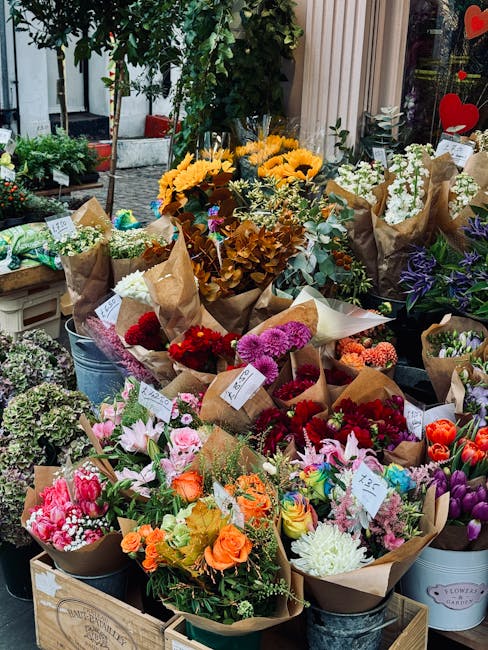
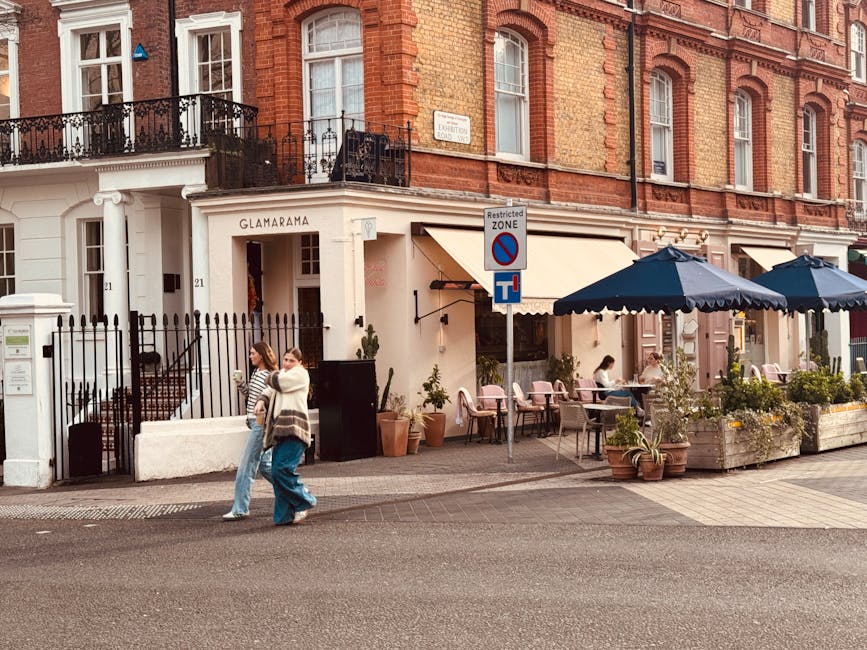
Kensington and Chelsea is not the kind of place where you can assume a lovely display will be treated as harmless decoration. Space is limited, footfall is high, and many streets already carry a lot of visual clutter from signs, bins, railings, cafe furniture, and deliveries. Add flowers to that mix and the details matter fast.
These rules matter for a few reasons. First, they help keep pavements and entrances clear, which is important for pedestrians, wheelchair users, pushchairs, and emergency access. Second, they reduce neighbour disputes. A hanging basket that sheds petals everywhere may seem charming on a sunny morning, but by the end of the week it can become a slippery, messy nuisance. Third, they protect the appearance and function of the street. In an area with a strong local character, councils and residents usually expect things to look cared for, not chaotic.
There is also a practical commercial side. If you are a florist, venue manager, hotel, property owner, or event organiser, understanding local expectations helps you avoid last-minute changes. Nobody enjoys shifting an installation two hours before an event because it blocks a doorway. Nobody. And if you have ever tried to rework a floral plan while someone is waiting at the loading bay, you will know the feeling.
In short, these rules are about more than decoration. They are about safety, access, tidiness, and keeping a good relationship with the people who have to live, work, and walk past the flowers every day.
How Kensington and Chelsea council flower rules work in practice
Most flower-related restrictions in a borough like Kensington and Chelsea are not about the flowers themselves. They are usually about where the flowers are placed, how they are fixed, and what effect they have on the surrounding area. That distinction is important.
For example, a display in a private garden, on a windowsill, or inside a shop is generally a different matter from flowers placed on a pavement, attached to railings, or set outside a commercial frontage. Once a display reaches into public space, the council's concerns become more active. Access, sightlines, maintenance, and safety all come into play.
In practice, this means that flower rules can affect:
- planters placed near entrances or shopfronts
- window boxes or hanging baskets overhanging public paths
- temporary event arrangements outside venues
- floral tributes near memorial spaces or community sites
- decorative displays tied to railings, barriers, or street furniture
What is allowed can depend on permission, location, the size of the display, and whether it creates a hazard. That sounds broad because it is broad. Councils rarely treat every floral setup the same way, and that is exactly why people get caught out when they rely on assumptions.
If your project has a retail, hospitality, or event angle, it can also help to think beyond flowers alone. Delivery timing, installation windows, payment arrangements, and aftercare all affect whether a display stays compliant. A useful place to review operational details is the site's delivery information, especially if you need flowers to arrive at a specific time and in a specific condition.
And yes, if you are ordering for a business or a repeat use case, the corporate accounts page can be useful for planning regular floral needs without reinventing the wheel every time.
Key benefits and practical advantages
Following the local flower rules is not just about avoiding trouble. Done well, it actually improves the quality of the display and the experience around it.
- Less risk of complaints: If flowers are positioned properly, neighbours and passers-by are less likely to object.
- Cleaner public space: Well-kept arrangements shed less mess and are less likely to topple or trail into walkways.
- Better presentation: A display that fits its setting looks more elegant than one that is forced into place.
- Fewer last-minute changes: Compliance planning reduces the chance of having to move or dismantle work at short notice.
- Better customer trust: If you are a florist or venue, showing that you understand local expectations is a quiet but real trust signal.
There is also a subtle but important benefit: people notice when flowers feel considered. A display that respects the street, the building, and the people moving through it tends to feel more premium. Not flashy. Just well judged. And in a borough where details matter, that distinction goes a long way.
For customers choosing floral products, the same idea applies. A well-matched arrangement is more likely to stay relevant to the occasion and to the space. If you need something modest and practical, browse best sellers or look at the florist choice options for flexible, expert-led arrangements.
Who this is for and when it makes sense
This topic matters to more people than you might think. It is not just for property managers or local businesses. The moment flowers move from a vase on a table to a visible feature in a shared or public-facing space, the rules become relevant.
You may need to understand the council flower rules if you are:
- a florist creating shopfront or event displays
- a restaurant, cafe, or hotel owner using exterior floral decoration
- a venue manager planning weddings, receptions, or private functions
- a homeowner placing window boxes, hanging baskets, or front-garden features near a boundary
- a business arranging sympathy, tribute, or memorial flowers in a community setting
- a landlord, concierge, or property manager responsible for shared entrances or common areas
It also makes sense if you are simply trying to choose the right type of arrangement. For example, a big, showy installation might be perfect inside a reception room, but awkward outside on a narrow frontage. A smaller, neater design may be the safer choice. Practical, maybe a little less dramatic, but far easier to live with.
For weddings and private events, you may want floral pieces that work within a controlled venue space rather than anything that spills into public access routes. The wedding ranges, such as wedding flowers and table arrangements, are useful examples of display types that are usually easier to manage indoors or in designated event areas.
Step-by-step guidance
If you want to stay on the right side of the rules, use a simple planning process. Nothing fancy. Just a sensible sequence that catches most issues before they become expensive or awkward.
- Identify the space. Is the display private, shared, or public-facing? That single question changes everything.
- Measure the footprint. Check how much room the flowers, stands, baskets, or planters will take up once installed.
- Look for pinch points. Doors, steps, ramps, narrow pavements, and corners are where trouble tends to start.
- Check how it is fixed. Anything attached to railings, walls, or external fittings should be secure and appropriate for the surface.
- Think about movement. Could petals, stems, water, or packaging drift into the path of pedestrians?
- Plan maintenance. Flowers do not stay perfect by magic. They need watering, deadheading, and checking after wind or rain.
- Confirm permissions if needed. If the arrangement affects a shared or council-managed area, confirm what is allowed before installation.
A useful habit is to do a quick sightline check from the perspective of someone walking past. Stand back, look left and right, and ask: would this be a nuisance if I saw it every morning? That tiny pause catches a surprising number of errors.
When the arrangement is time-sensitive, use a delivery option that reduces the risk of flowers arriving too early or sitting around too long. If timing is tight, same-day flower delivery and next-day flower delivery can help, but only if the final placement is already planned. Delivery speed is useful; it is not a substitute for a sensible setup.
Expert tips for better results
Here is where experience helps. A neat, compliant display often comes down to small choices that do not look exciting on a spreadsheet, but make all the difference on site.
- Choose sturdier containers: Lightweight pots can tip easily in windy spots or near doors that open repeatedly.
- Keep colour choices appropriate to the setting: Bright is not always better. In some spaces, softer palettes feel more coherent and less distracting.
- Use low-maintenance varieties where possible: If a display needs to last, choose flowers that hold structure well and do not collapse quickly.
- Keep water management in mind: Overflow from a vase or planter can create slipping hazards on hard surfaces.
- Avoid blocking sightlines: Particularly near entrances, crossings, or driveway exits.
Another tip that sounds boring but saves grief: photograph the display after installation. It creates a quick record of how it was positioned, which is handy if someone later says it was too wide, too tall, or in the wrong place. Not glamorous, I know. Still useful.
If your aim is decorative impact with fewer moving parts, consider a more contained style such as flowers in a vase, baskets and posies, or flower care guidance to keep the arrangement looking tidy for longer.
And for a bit of human reality: the most elegant floral display is often the one that survives a windy afternoon without shedding half its petals onto the pavement. Beauty, yes. Stability too.
Common mistakes to avoid
A lot of flower-related problems are preventable. In fact, most of them are. The trouble is usually not bad intent; it is rushed planning.
- Assuming private property means no rules: If a display affects public access or shared space, the council may still care.
- Ignoring width and height: A display can look fine in a workshop and feel huge when placed against a narrow wall.
- Forgetting aftercare: Drooping flowers, leaking water, and fallen leaves quickly make a nice arrangement look neglected.
- Using weak fixings: Ties, hooks, or brackets that are not suitable for the surface can fail without much warning.
- Placing arrangements where they block visibility: This is especially risky near entrances, driveways, and steps.
- Leaving it too late to ask questions: If permission or approval is needed, ask before the flowers are ordered.
One common slip, especially with events, is treating floral decoration like a last-minute finishing touch. But the flowers are often part of the access plan, the venue flow, and even the safety layout. They are not just "decor." They are part of the environment. That little shift in thinking saves a lot of trouble.
If you are working on an event, it may help to choose products that are designed for controlled presentation rather than casual drop-off. For example, luxury flowers can work well indoors, while a simpler style may be better for smaller or less formal spaces.
Tools, resources and recommendations
You do not need fancy equipment to stay compliant, but you do need a few practical habits and tools. The right setup makes it easier to plan, measure, and maintain flowers without unnecessary drama.
- Tape measure: Essential for checking width, height, and clearance.
- Simple site photos: Take pictures of the intended space before the flowers arrive.
- Stable containers and trays: These reduce spills and movement.
- Tidy packaging: Remove or manage packaging quickly so it does not become litter.
- Maintenance schedule: Even a very basic reminder can help keep displays fresh.
For businesses that need consistent standards, it also helps to build a small internal guide: what can go where, who checks it, what to do if the display becomes unsafe, and who signs off on final placement. A one-page checklist is often enough. No one needs a novel.
On the product side, it is worth browsing options that match the practical setting. If you need a thoughtful arrangement for a specific purpose, the shop's all flowers page is a useful starting point, while cheap flowers and budget options can help when you need something straightforward and controlled rather than elaborate.
For more background on how the business works and what to expect from ordering, pages like about us and guarantees are useful reading. They help set expectations, which is half the battle in floral planning, honestly.
Law, compliance, standards, or best practice
Flower rules in Kensington and Chelsea should be approached as a mix of council expectations, property management standards, and general public safety good sense. The exact position can depend on the location and context, so it is wise to avoid rigid assumptions unless you have written permission or a clearly defined arrangement.
Here are the broad compliance principles that usually matter most:
- Do not obstruct public rights of way: Pavements, steps, entrances, and shared access points need to remain passable.
- Do not create hazards: Wet surfaces, unstable stands, loose stems, and falling planters are all avoidable risks.
- Respect surrounding property: Flowers should not damage walls, railings, paintwork, or shared fixtures.
- Follow any permission conditions: If a landlord, venue, or council body has set conditions, keep to them carefully.
- Keep arrangements maintained: A display that starts well can become non-compliant if it is left untended.
Best practice is usually more practical than legalistic. Plan with the environment in mind, keep access clear, and choose designs that can cope with real-world conditions. Wind, rain, crowds, door swings, and the occasional clumsy bag all exist. Flowers have to live in that world too.
If the display is connected to a formal event, memorial, or wedding, it is usually better to design around a defined area than to rely on public spillover. For funerals, tributes, and remembrance pieces, the funeral flowers and tributes sections offer useful examples of styles that are typically handled with more structure and intention.
Options, methods, or comparison table
Different floral setups create different compliance risks. If you are choosing between formats, this quick comparison should help.
| Option | Best for | Main advantage | Common risk |
|---|---|---|---|
| Window boxes | Homes, shops, and upper-floor frontages | Visually neat and contained | Overhang, water drip, and fixing issues |
| Hanging baskets | Decorative frontage with enough clearance | Strong visual impact in limited ground space | Wind movement and maintenance access |
| Planters at ground level | Entrances, courtyards, and controlled shared areas | Easier to water and reposition | Can narrow walkways if oversized |
| Temporary event displays | Weddings, receptions, launches, memorial settings | Flexible and customisable | Last-minute placement changes |
| Tribute or memorial flowers | Formal occasions and remembrance spaces | Respectful and clearly contextual | Placement must stay orderly and considerate |
The practical choice depends on your space, budget, and how much maintenance you can realistically handle. A low-maintenance planter is often safer than a fussy installation that looks amazing for twelve hours and then starts misbehaving. Happens more than people admit.
If you are comparing arrangements for a more celebratory setting, the birthday flowers, congratulations, and thank you ranges can be useful examples of how different styles suit different settings.
Case study or real-world example
Imagine a small hospitality venue in Kensington and Chelsea planning floral decoration for a private dinner. The team wants an elegant front entrance with tall arrangements on either side of the door, plus a few softer pieces near the reception area. Lovely idea, in theory.
But the entrance is narrow, the pavement outside is busy, and the door opens directly toward the footpath. After a quick site check, the team realises tall floor-standing arrangements would make the entrance feel cramped and could interfere with guests arriving in groups. They revise the plan.
Instead, they use compact arrangements closer to the wall, choose sturdy containers, and keep the display entirely inside the threshold line. The look is still polished, but the space remains open. Guests can enter without squeezing past flowers, and the venue avoids a potential access problem. Simple, really.
The same logic works for a home front garden, a boutique, or a memorial tribute. The best floral design is not always the biggest one. Often it is the one that fits the space properly and behaves itself all evening. A bit less drama, a lot more elegance.
If you want a softer, more contained style for occasions like this, consider browsing any occasion options or more structured products such as local flower shop services and florist ordering for practical support.
Practical checklist
Use this checklist before installing any flower display in Kensington and Chelsea:
- Have I identified whether the space is private, shared, or public-facing?
- Will the display block doors, ramps, steps, or paths?
- Are the containers stable and suitable for the location?
- Is the arrangement secured properly for wind, movement, or repeated use?
- Could water, petals, leaves, or packaging create a slip hazard?
- Have I checked whether permission or approval is needed?
- Do I have a maintenance plan for watering and tidying?
- Will the design still look good after a few hours, not just at installation time?
- Have I considered neighbours, shared users, and passers-by?
- Is there a backup plan if the display needs to be moved quickly?
If you can tick most of those boxes, you are already ahead of the game. Not perfect, perhaps. But safely ahead, and that counts for a lot.
Get a free quote today and see how much you can save.
Conclusion
What to know about Kensington and Chelsea council flower rules comes down to a surprisingly simple principle: beautiful flowers should not get in the way of safety, access, or everyday life. When you plan the placement carefully, choose the right size and style, and think about maintenance from the start, you avoid most of the problems people run into.
That is the real lesson here. The best flower display is not just attractive; it is considerate. It fits its surroundings, respects the street, and stays lovely without causing friction. In a borough like Kensington and Chelsea, that thoughtful approach is exactly what makes floral design feel polished rather than overdone.
If you are unsure, slow down, measure twice, and choose the simpler option. Flowers should lift a space, not fight it. And honestly, that usually turns out better anyway.
Frequently Asked Questions
Do I need permission to place flowers outside my property?
It depends on where the flowers sit and whether they affect public space, shared access, or a managed frontage. If they remain entirely within private space, permission may not be needed, but once they extend into a communal or public area, it is wise to check first.
Are hanging baskets allowed in Kensington and Chelsea?
They may be allowed if they are safely fixed, do not overhang in a way that causes risk, and do not obstruct access. The key issue is less about the basket itself and more about the effect it has on passers-by and the building.
Can I put flower pots on the pavement outside a shop?
Only if that space is permitted for use and the pots do not narrow the walkway or create a hazard. In busy streets, even a small pot can become a problem if it sits in the wrong place.
What happens if my flower display blocks access?
It may need to be moved or removed, and repeated issues can lead to complaints or enforcement action. The safest route is to plan for clear access from the start, rather than hoping no one minds.
Do councils care about flowers that are only temporary?
Yes, they can. Temporary does not automatically mean exempt. If a display creates a safety, access, or nuisance issue, the short duration does not erase the concern.
What kind of flower arrangement is easiest to keep compliant?
Contained arrangements in stable vases, baskets, or planters are usually easier to manage than large, free-standing installations. Simpler layouts are often safer, tidier, and easier to maintain.
Are wedding flowers treated differently from shopfront flowers?
Usually yes, because weddings are often planned within a controlled venue space. Shopfront flowers interact more directly with the street, so access and safety issues tend to matter more.
How do I stop flowers from making a mess on the pavement?
Use stable containers, avoid overwatering, deadhead regularly, and choose flowers that hold up well in the conditions. A little maintenance goes a long way. A lot, actually.
What should I do if I am not sure whether a display is allowed?
Check the location carefully, speak to the property manager or relevant authority if needed, and keep the arrangement flexible until you have clarity. It is much easier to adjust the plan before installation than after.
Do tribute and funeral flowers face different expectations?
They can. These arrangements are usually handled with more care and context, but they still need to be placed respectfully and safely. Formal tribute pieces should not interfere with access or create clutter.
Are there affordable flower options that still look tidy and appropriate?
Yes. A budget-friendly arrangement can still look elegant if it is well chosen and sized properly. The aim is not to buy the biggest display, but the most suitable one for the space.
What is the most common mistake people make with local flower displays?
They underestimate the space around the flowers. People plan the arrangement itself but forget the edges, the movement of doors, the path of pedestrians, and what happens when the weather turns.